
Two Architectural Masterpieces
Taliesin West and The Eames House

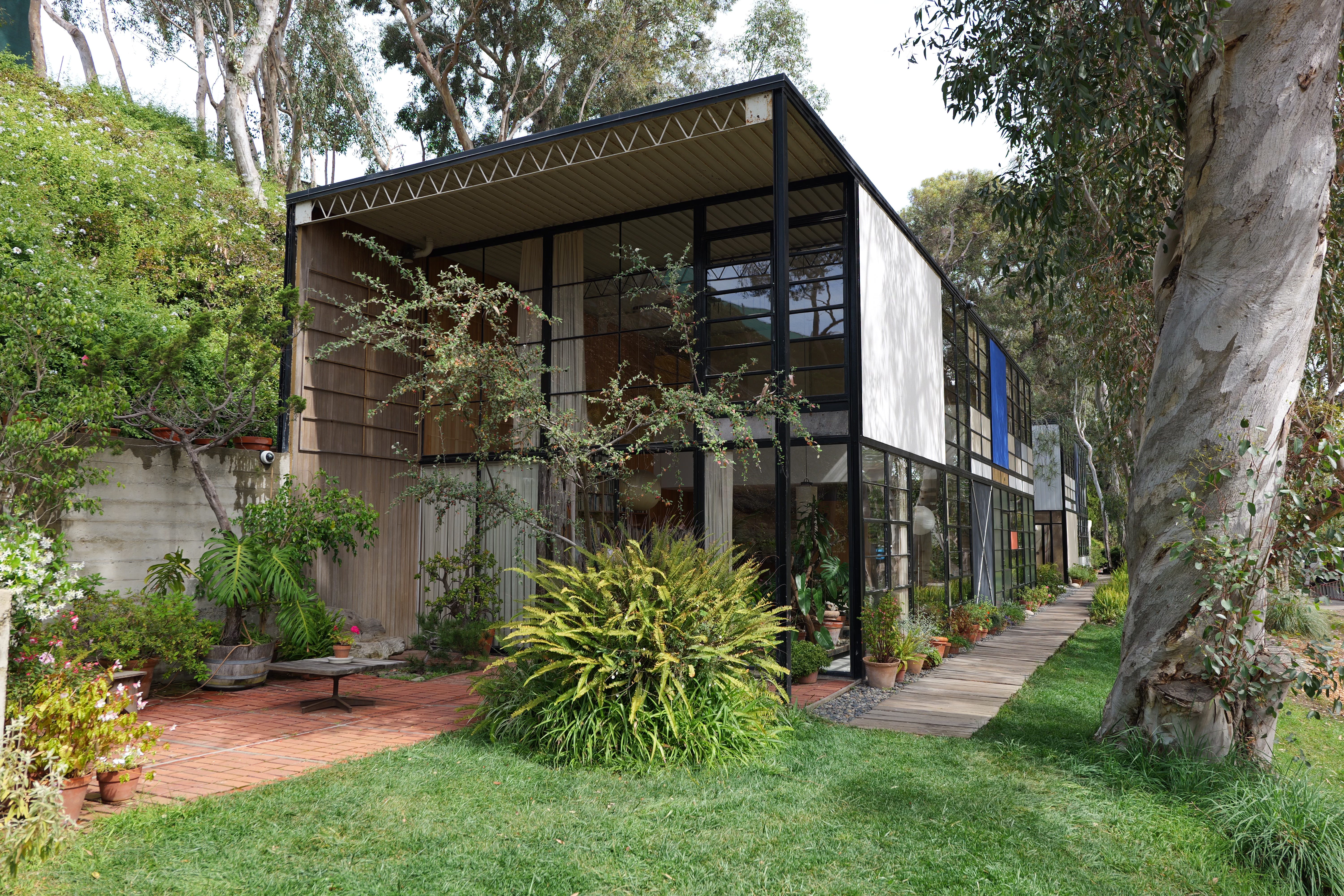
Let’s kick this reading off with the Eames House.
For those that don’t know; Charles & Ray Eames (husband & wife team) were influential mid-century creatives with work that spans architecture, product, textiles, graphics and film. They built a ‘case study’ home and studio in California’s Pacific Palisades, which has been recognised as one of the most important architectural landmarks in the United States of America.
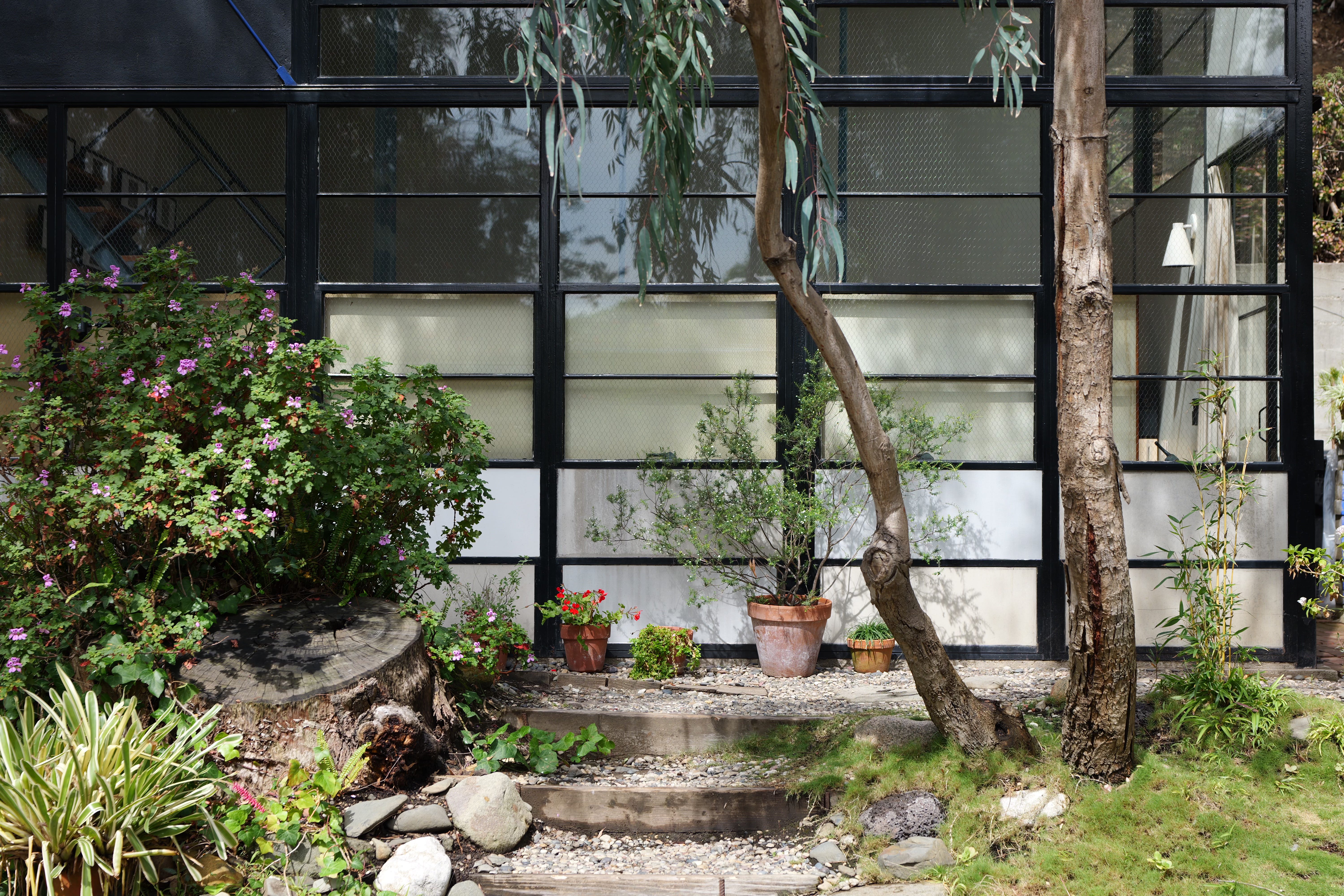
Visiting this place has been on my list for many years. I must say it was not what I expected. In fact it actually blew my expectations away…. for a number of reasons.
My preconceptions had the property appear a certain way, almost like I would arrive to an over curated display of status and history. This was not the case! Outside of a small amount of site specific information, positioned in the meadow (lawn/gardens), this was very much a display of ‘the product does the talking’. The experience was not pretentious at all and the staff were wonderfully approachable and accomodating. We were warmly welcomed at the boundary gate and able to wander freely, exploring at our own pace.
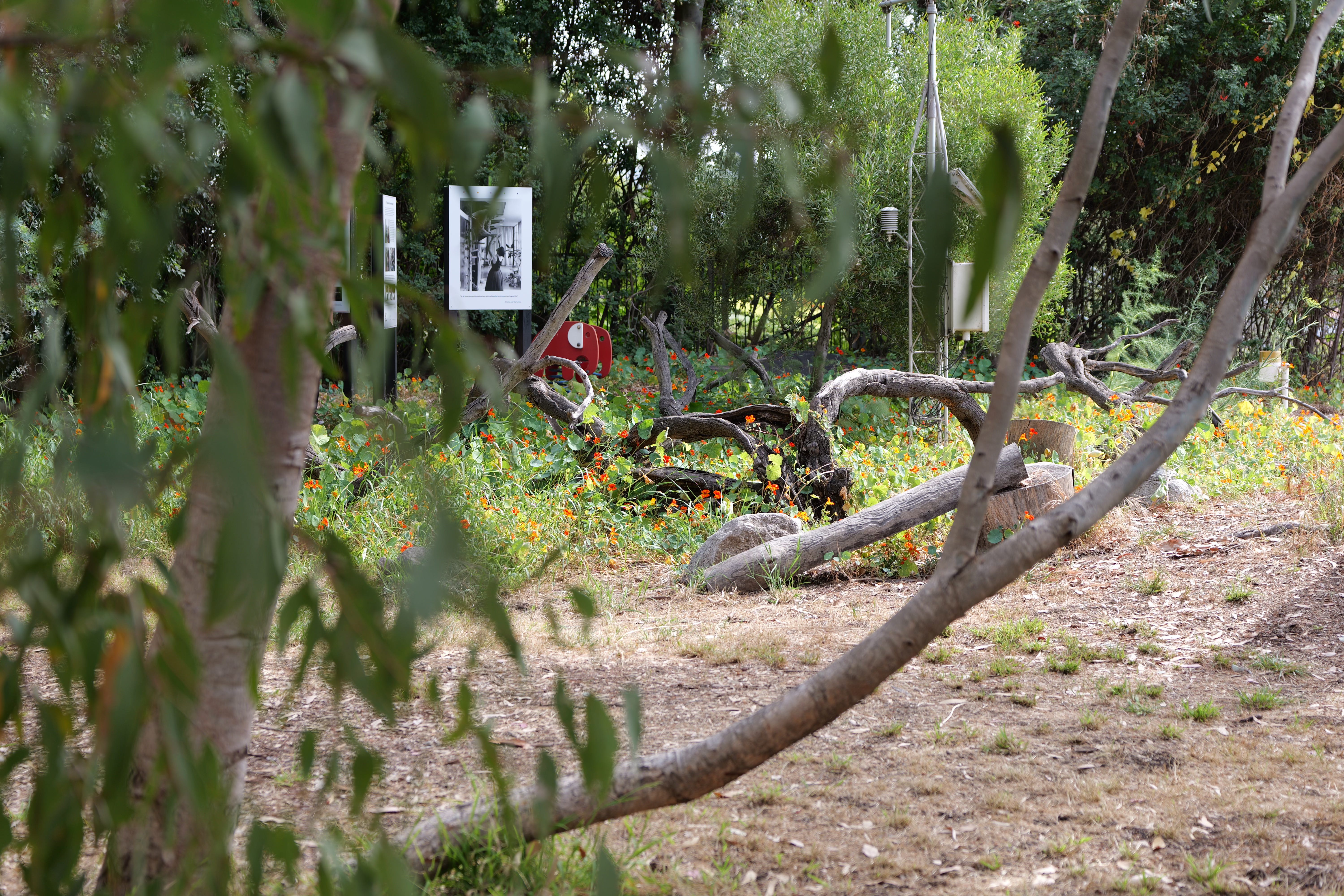
I was immediately impressed by the buildings position with respect to the site. The landscape was celebrated, intentionally able to breathe and I was immediately taken to thoughts of what it would have been like growing up on the property as a child or visiting grandchild - so much opportunity for exploration, learning and nature connection. The property has beautiful Eucalyptus trees which made me feel at home (I wish), although being 15,000km away from Perth.
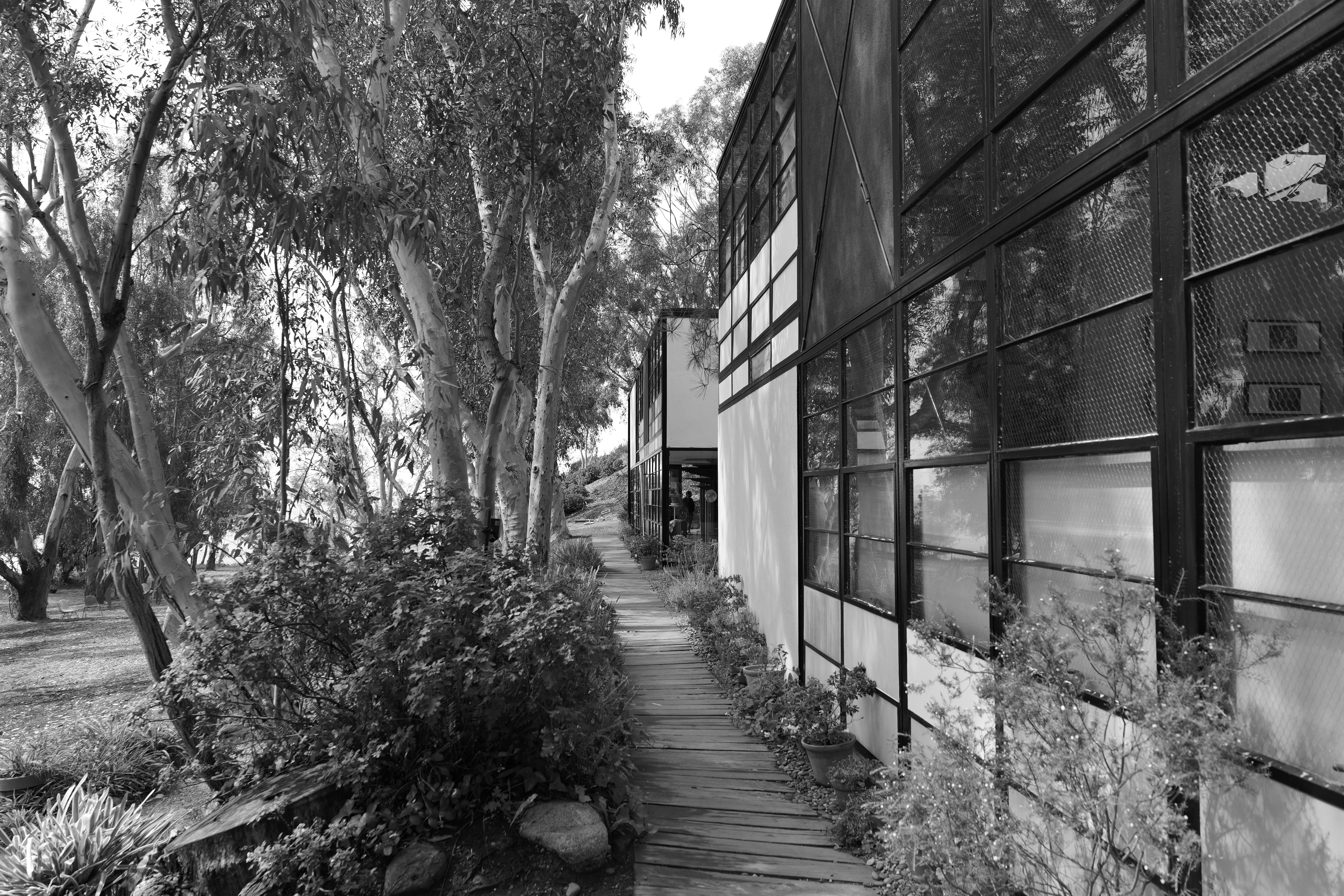
I loved how the interior has been left as though Ray has just popped out to the shops and is expected to be back at any moment. Charles passed away 10 years prior to Ray’s passing in 1988. The interior is a wonderful mix of prototypes, material explorations and other artefacts acquired through their myriad of travel experiences. Although the home was ‘frozen’ in time, almost 30 years ago, it is still so modern. It felt comfortable, highly flexible and extremely relevant for living today.
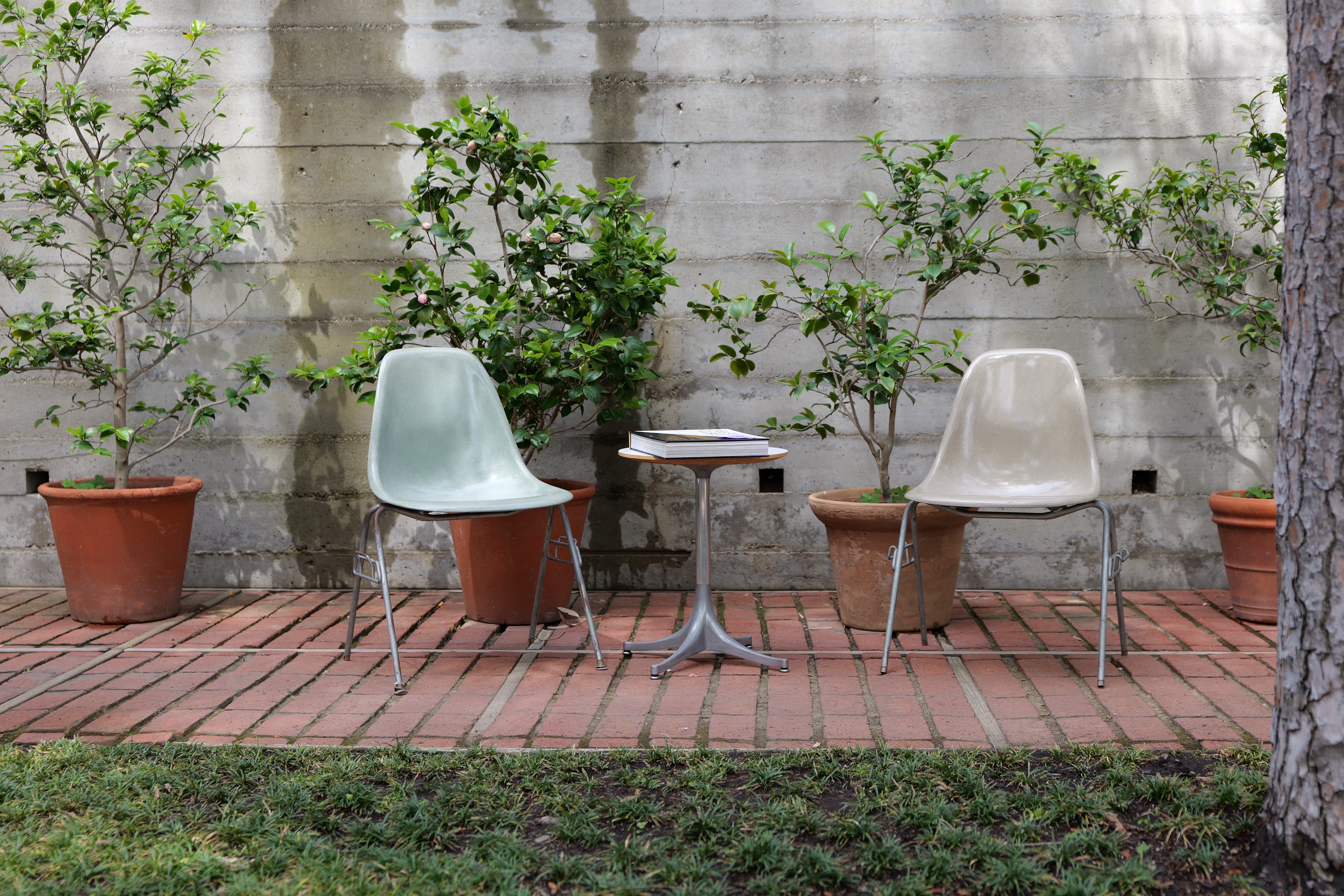
The Eames House offers so many pockets of beauty and moments for reflection. By the end of the visit I had an overwhelming sense that this home was created and lived in humbly with great thought and consideration. It was not overly customised (although innovative for its time) yet it still enables a great deal of evolving personalisation. I wondered if Charles and Ray knew how enduring their design would be or if this is a learning that only we are lucky enough to receive and hopefully build from.
A visit to Taliesin West was strongly encouraged by my good friend and But Why - A Design Podcast co-host Stirling Fletcher. Less than 15mins in to my visit, I realised how well he understands me and my interests. The location is stunning - Scottsdale, Arizona did not disappoint!
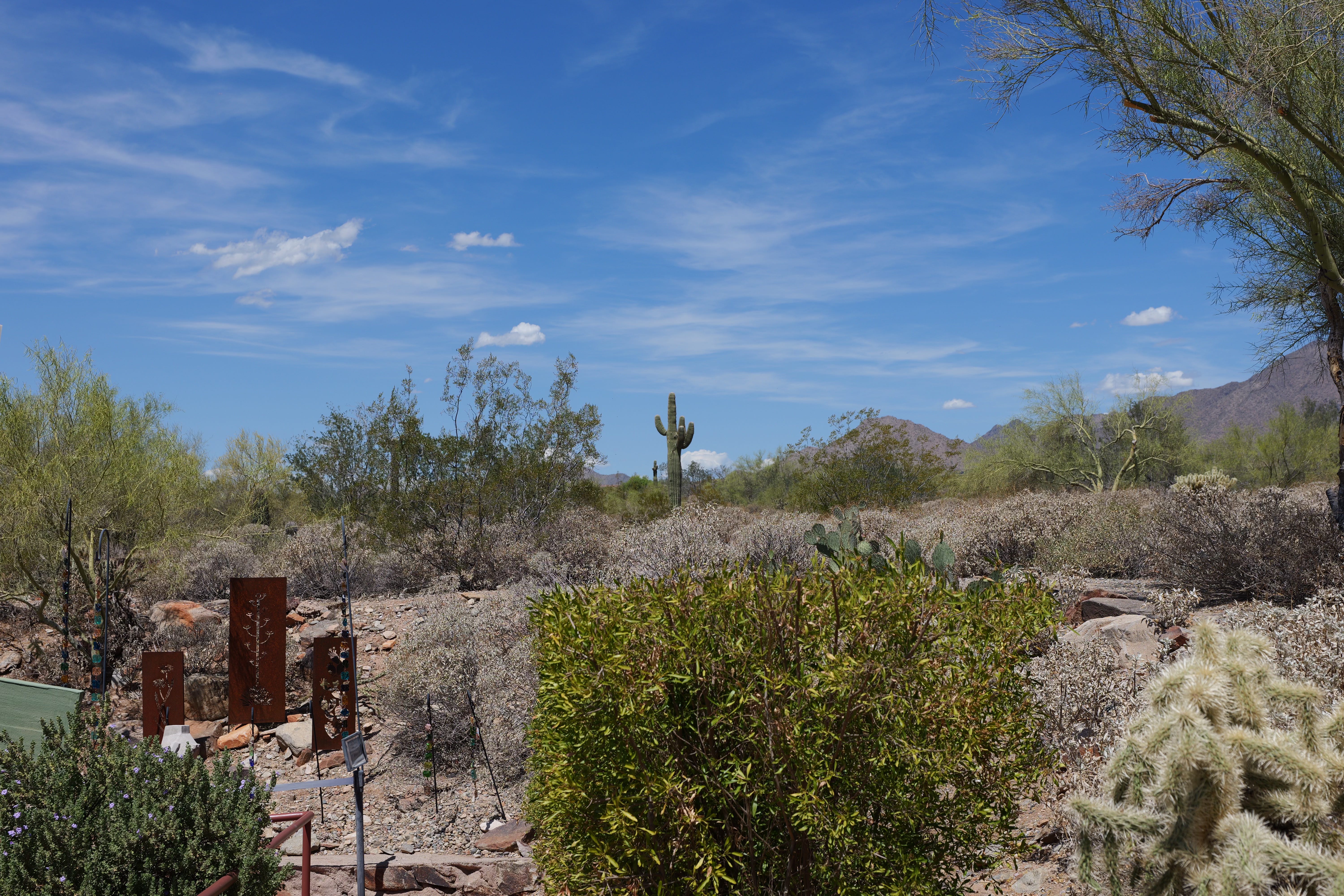
Frank Lloyd Wright (Architect) designed approximately 1,100 projects of which >500 were built and ~400 are still standing. He is arguably one of the most famous (widely recognised) architects and passed away in 1959 after spending seven decades contributing massively to how modern humankind build and live. Taliesin West was established as a place for living and learning.
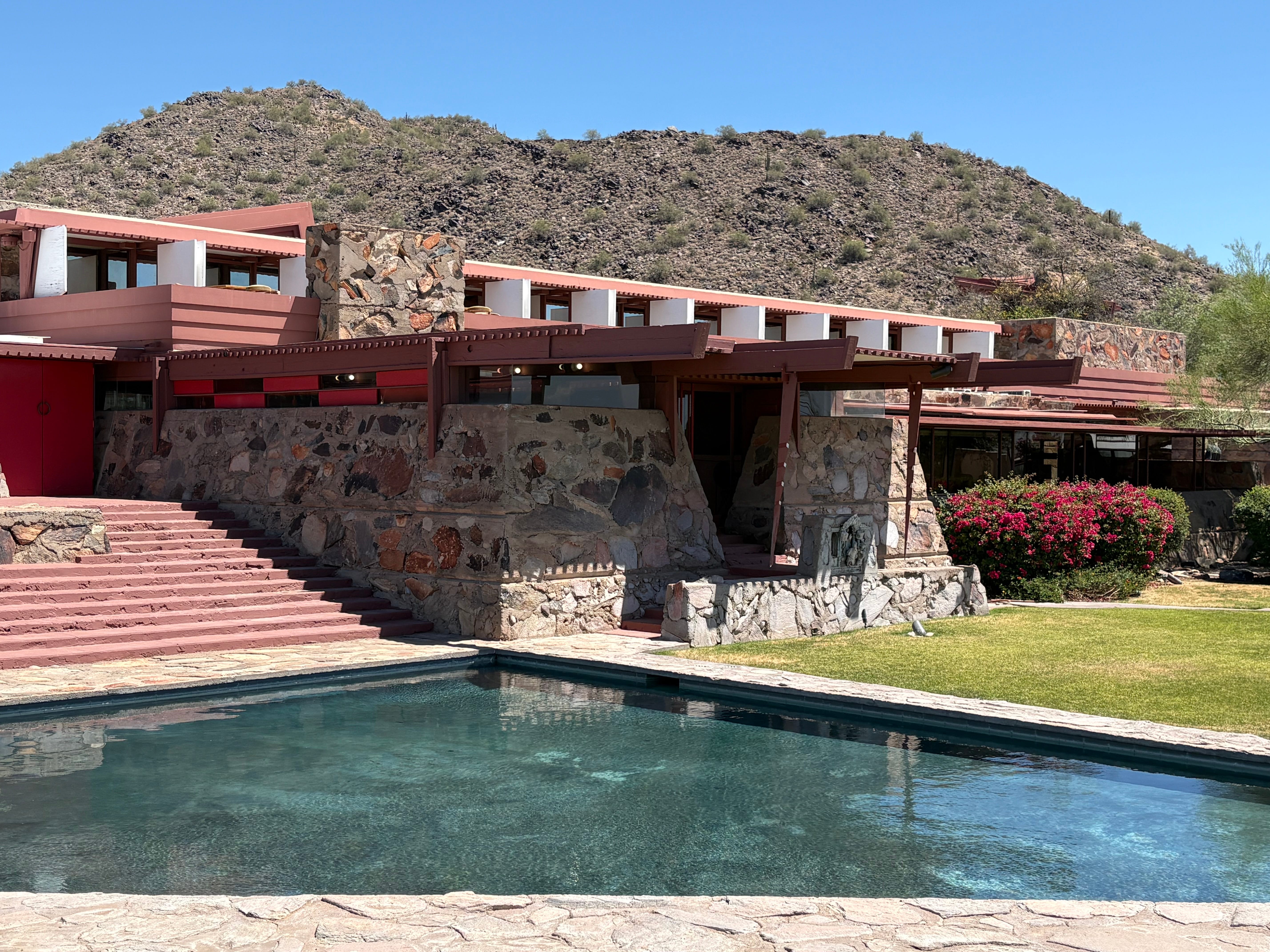
Taliesin is a Welsh name which means ‘shining brow’. This name was used first for Wright’s family home in Wisconsin (East) where his intention was to create a home that was of-the-hill. Taliesin West was delivered with the same intent. It is not on the top or at the bottom, instead it is integrated with the desert foothills of the McDowell Mountain.
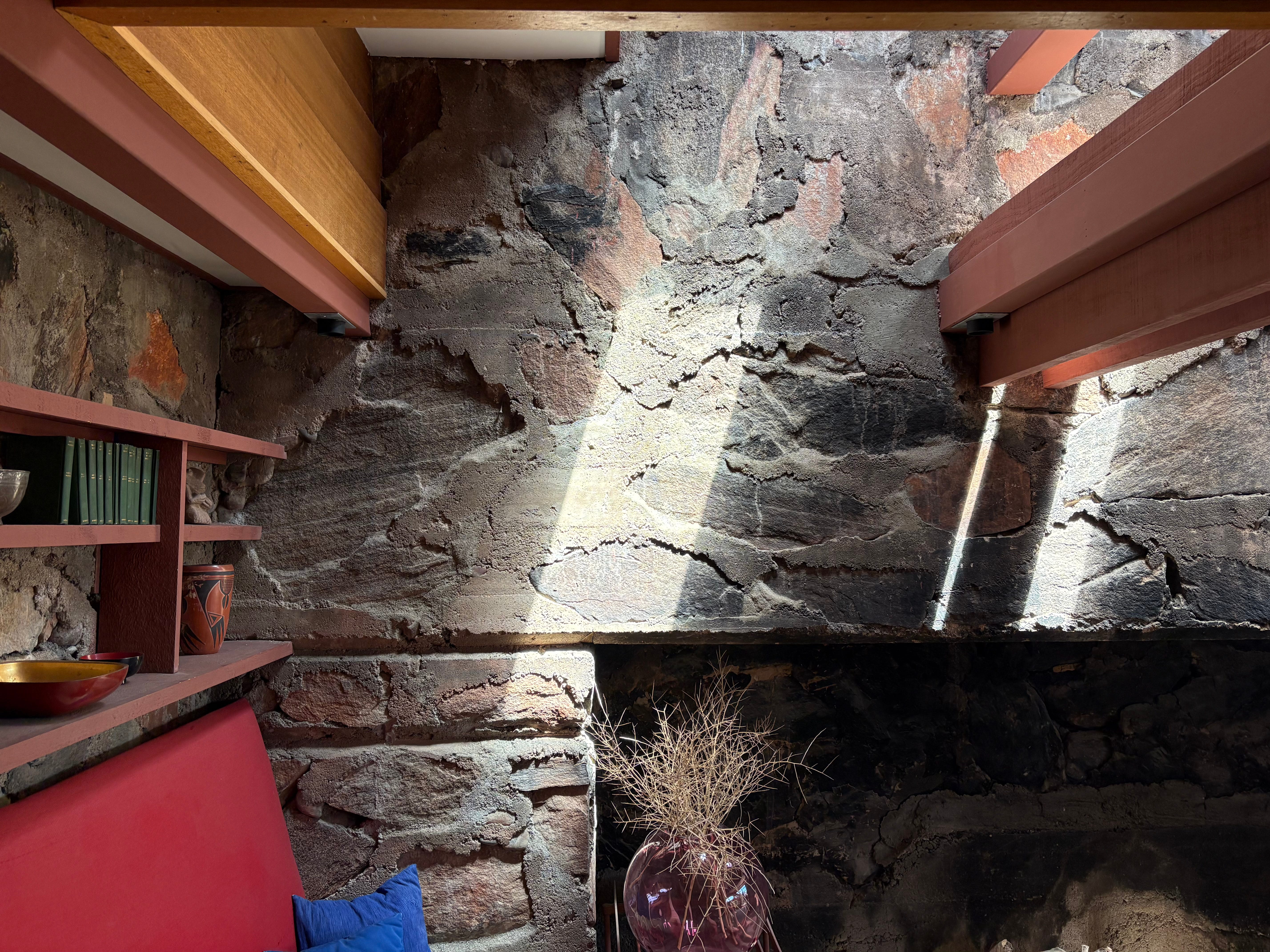
Taliesin West delivers fully on Wright’s organic architecture teachings that consider site, space, materials and democracy. These core tenets of organic architecture are both visible, and felt, from the moment you approach the property and right through every vista, room, nook and cranny across the grounds.
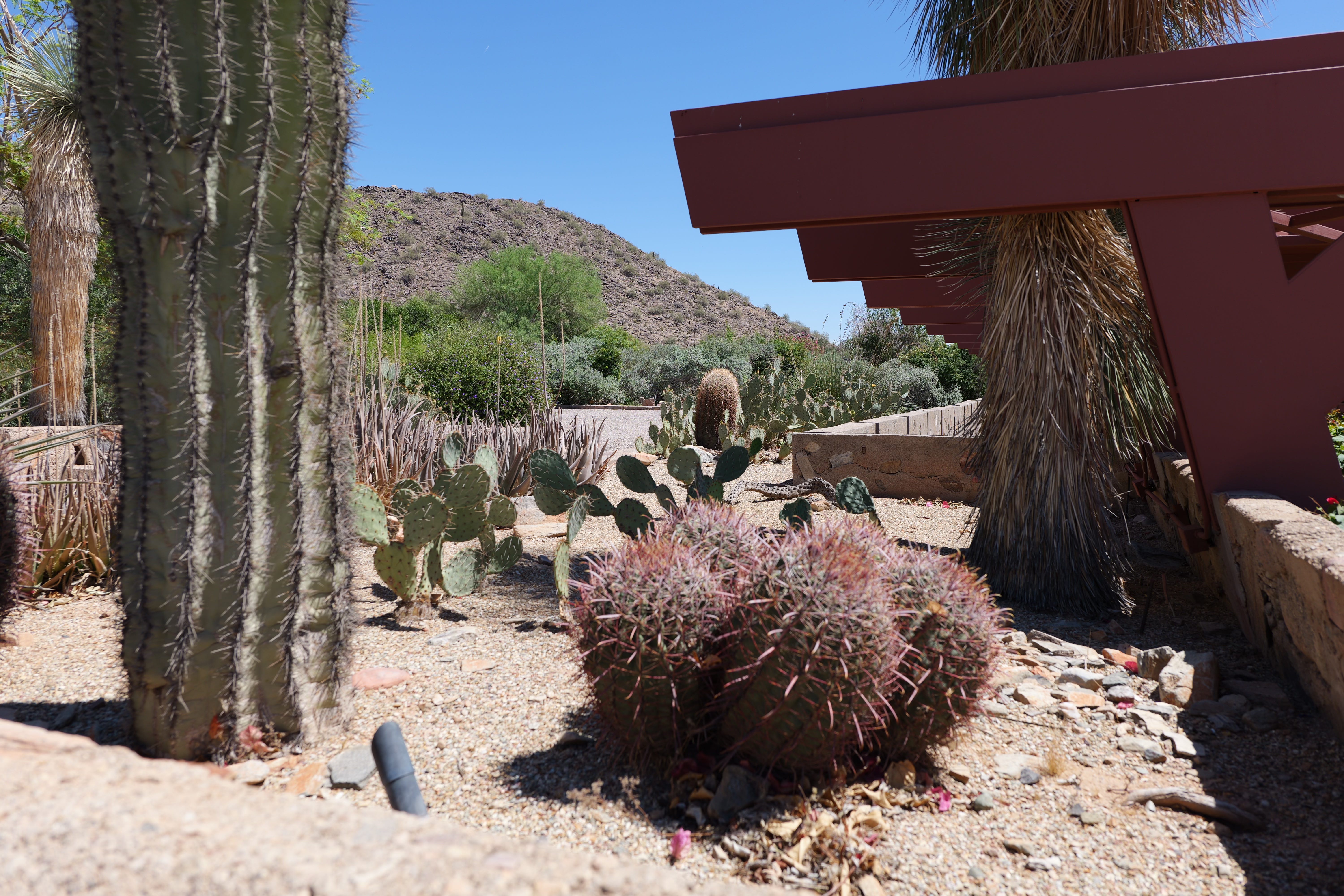
It is fascinating to think in the shoes and mindset that Wright and his apprentices held when first approaching the design and build of Taliesin West. The tour explains how they were literally starting from scratch with no electricity or other basic provisions for as far as the eye could see. This offered a perfect training ground for Wright’s philosophy of ‘learning by doing’. He believed it was important to understand the detail of making before designing. Taliesin West was a desert laboratory, and an apprentice training ground.
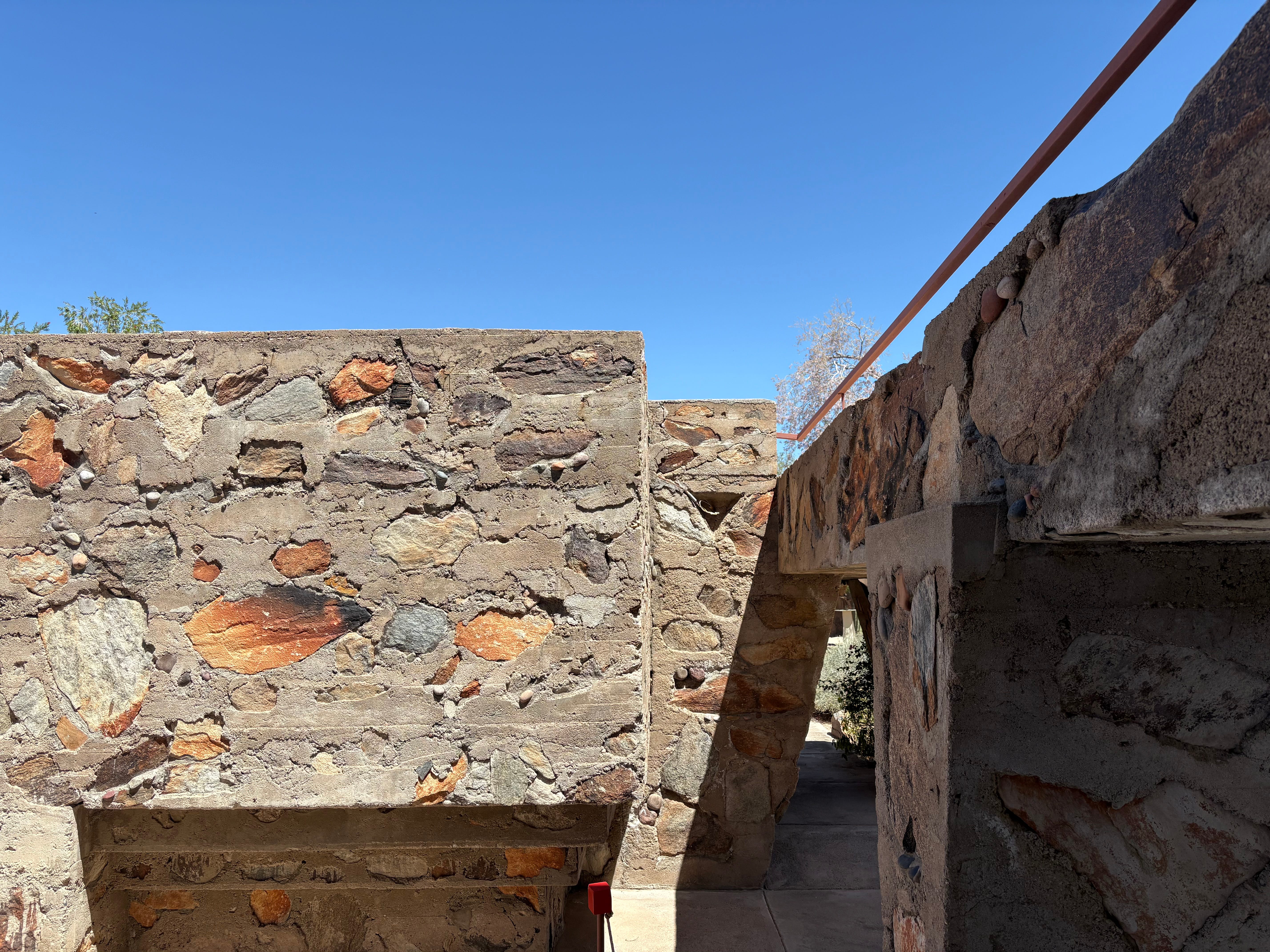
One of my favourite learnings was the 'compression and release’ technique, evident at every inside-to-outside threshold. This design approach intentionally guides the occupant to physically and mentally recompose before the space is revealed. This is likened to the breathing in and out of nature.
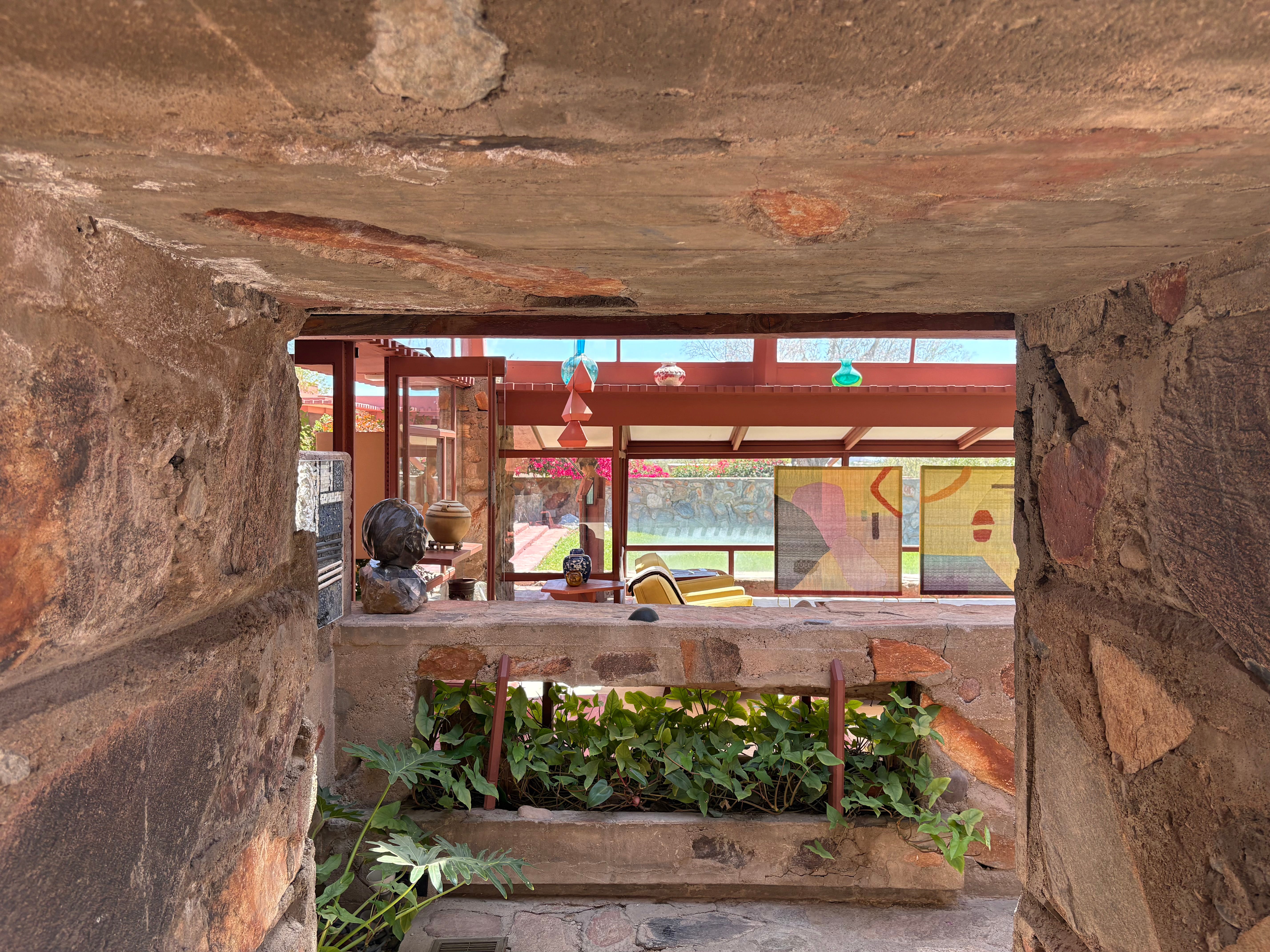
Taliesin West also introduced me to the ‘Venturi Effect’ whereby air movement is sped up through space when it is moving along a pathway and encounters a narrow space. The breezeway demonstrated this wonderfully and offered much needed respite from the hot Arizona sun.
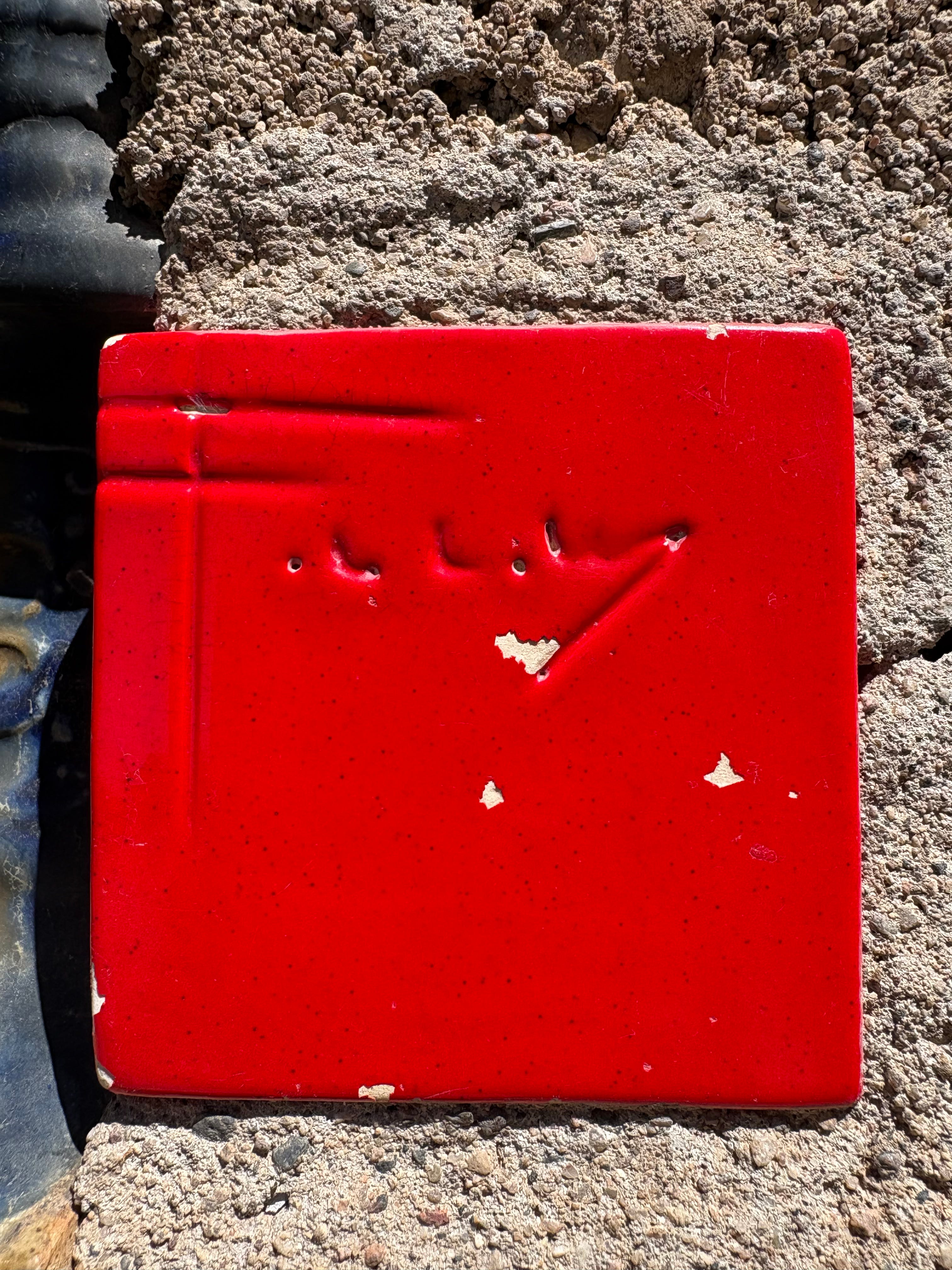
It was impossible to take a photo of the above concept so instead below is the marker that you will find on Frank Lloyd Wright buildings where the client did not waiver from the integrity of the original design. This is Wright’s signature of acceptance.
I loved spending time at Talisin West. The way materials were expressed in their honest form and the continuously present rhythmic connection to the landscape made it feel like the buildings were not imposing on nature, rather, wanting to be part of it. I really appreciate this approach and hope to experience much more of it.
Article Links: