
Taylor Guitars
Factory tours are one of my favourite ways of getting to know an organisation. They give light to true values and priorities.

Recently, I had the absolute pleasure of visiting Taylor Guitars in El Cajon, California and being hosted by Scott Paul, Director of Sustainability - a long-term advocate and fighter for mother nature.
It was super clear throughout this visit and conversation with Scott that Taylor Guitars has had great leadership, and it’s foundations are built on innovation, honesty and ‘doing things for the right reasons’.
The visit demonstrated many things for me – here are some highlights:
Efficiency, economic outcomes, and sustainability outcomes can coexist.
Taylor’s have implemented timber standards and processes that maximise yields and minimise waste without compromising fundamental business expectations. An example is how they have settled the optimal shape, size and length of wooden blocks for production of guitar necks.
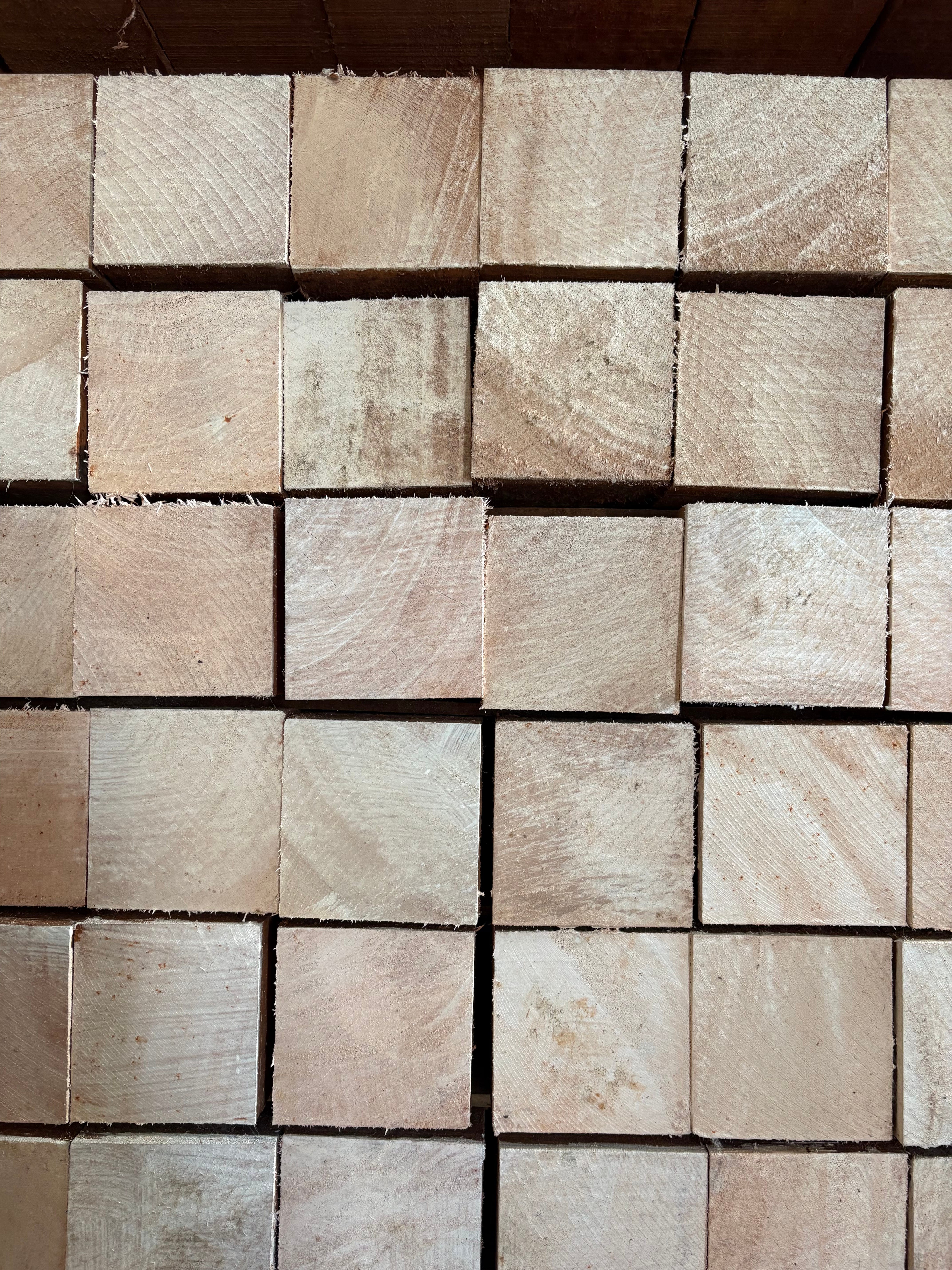
Image of blocks that will make multiple guitar necks. Offcuts are untreated and have end-of life pathways (providing employees don’t get to it first for their own creative projects).
To address problems, you need to shed light to them.
Scott Paul shared a story on how the team identified soft plastics as a real problem area and something that they wanted to address. It was present on freight they received, internal material transfer, and used in packaging and guitar protection for the customer. To get an understanding of scale they gathered the abundance of this challenging material, bundled it up and placed it in the staff carpark, with the intent of fixing the issue.
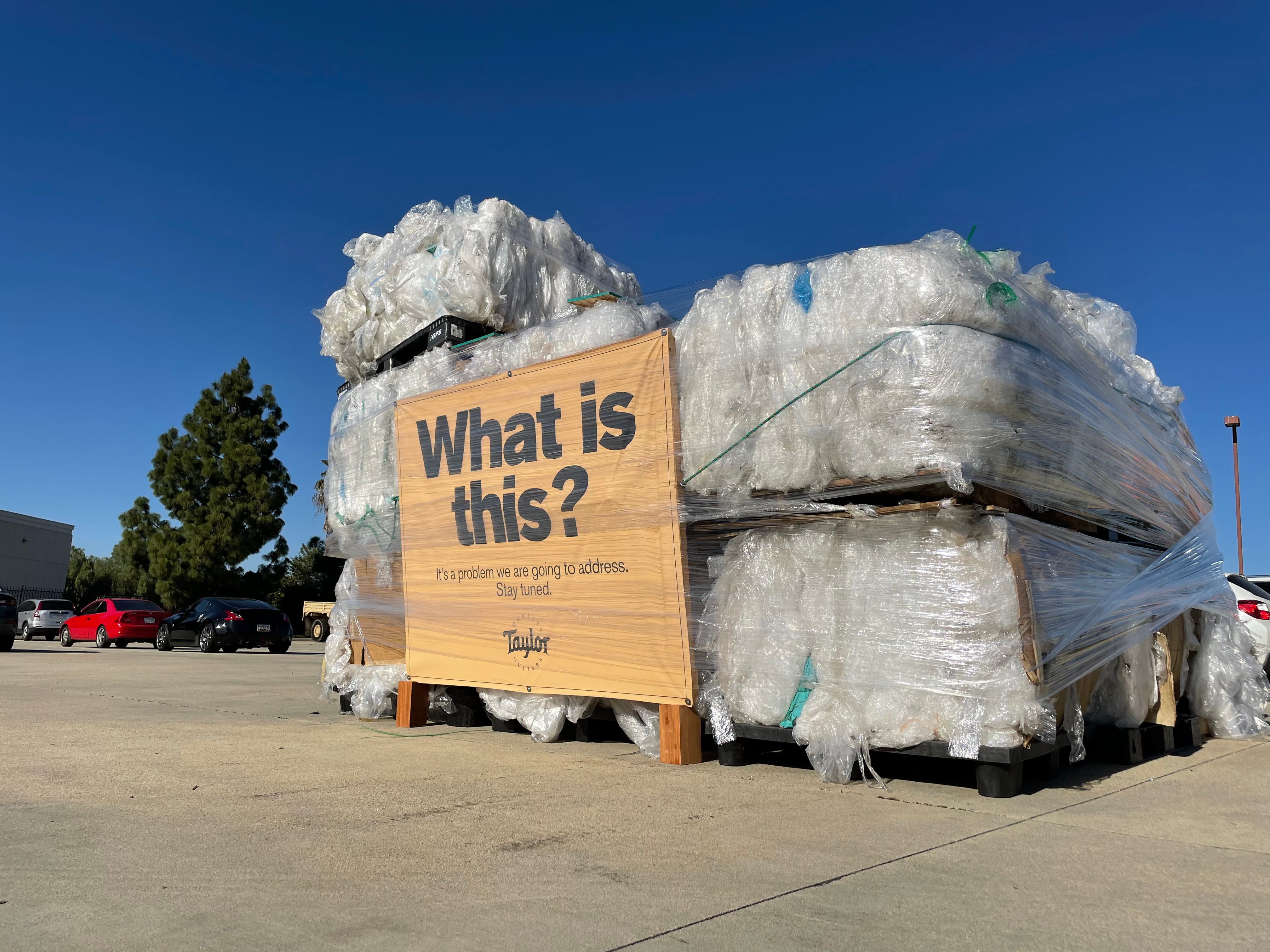
By highlighting the issue, Taylor’s supply partners came forward and offered collaboration opportunities. What was most awesome is the employees found ways to help address elements within their control. Taylor haven’t fixed the problem yet, but they have made strides toward it.
This approach reaffirmed for me that dropping an issue into a group with awareness and contribution across the entire system (not one department, and solely internal) makes lighter work for identifying and enacting solutions.
Social licences should be leveraged for good.
Taylor have maintained a curious and entrepreneurship mindset and are known for challenging industry norms – for asking why and why not. They have introduced timber species, aesthetics and details that have challenged design-and-build traditions. Some have been met with industry (and purists) push back but Taylor’s approach has been for necessity of the continued sustainment of the profession.
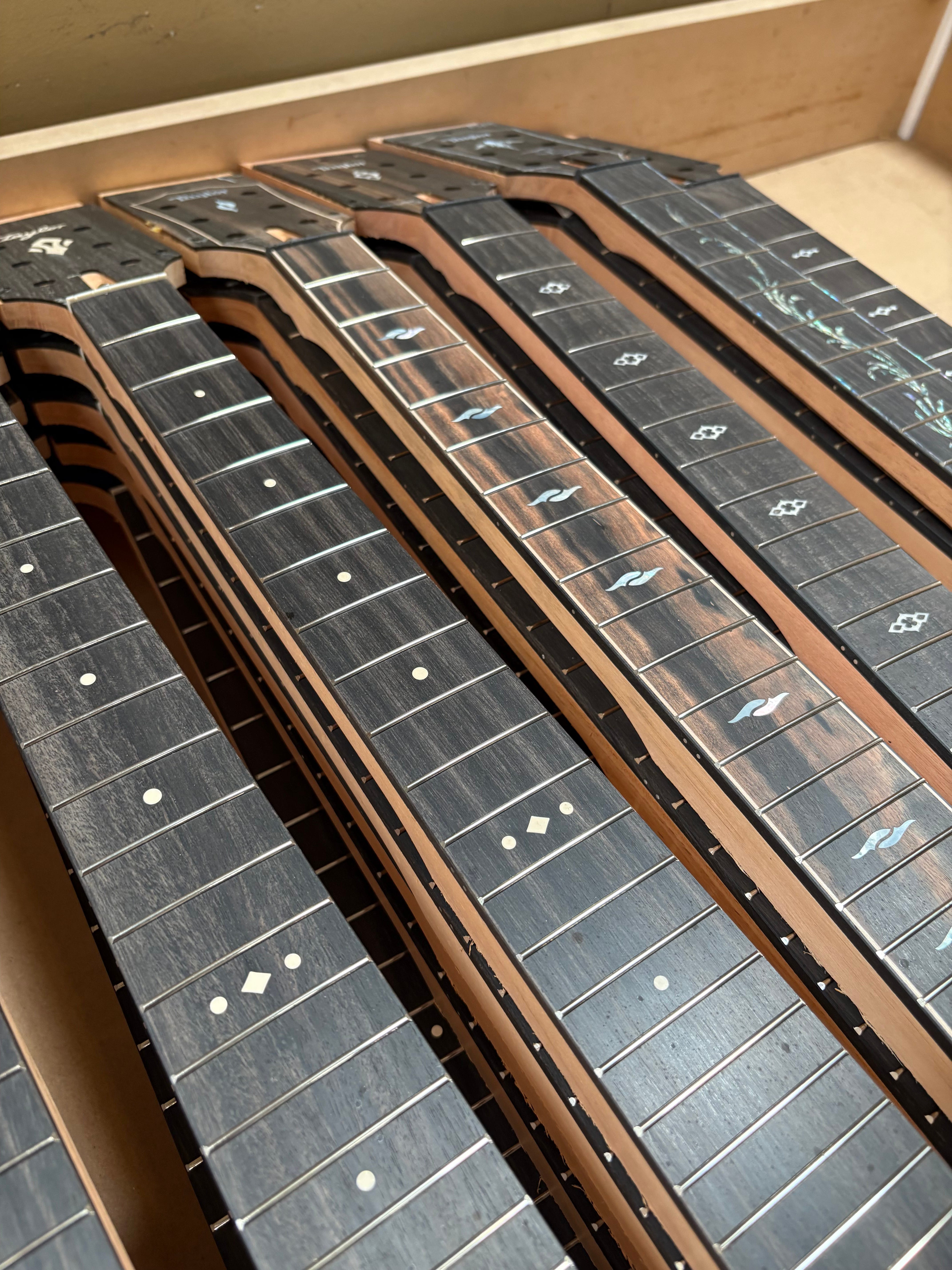
A standout that I loved is the approach for introducing ‘different’ on their premium models as a way of positioning them as desirable rather than de-valued. This is a great learning for me.
Product can be an instrument for advocacy.
‘We are not sustainable’ sits clearly on Taylor’s website. And sure, there is some awkwardness for anyone who operates in the world of product-making when talking about sustainability - but Taylor are carrying their fair share and are consciously continuously moving in the right direction.
Each guitar has a story – why this wood, what it has challenged, what community benefited from it, what preservation is necessary. Not only will the guitars be used to write songs but they themselves are able to be used to educate. Taylor has initiated programs such as Ebony in Cameroon, Koa in Hawaii and Urban Trees in California – these are all admirable and meaningful.
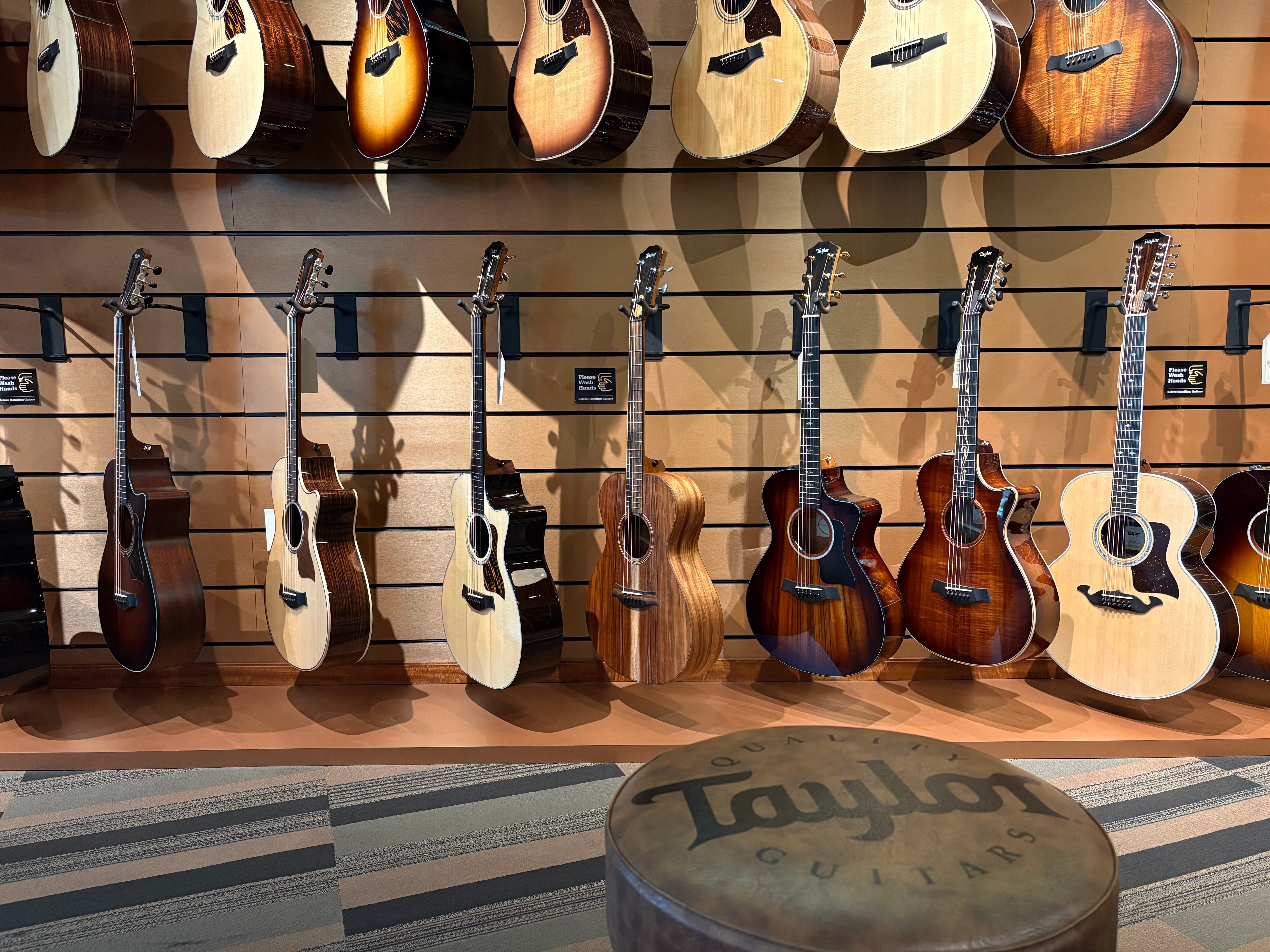
Innovation oozes from this organisation and I got a real sense that it comes from the top. Not only was it demonstrated that freedom of innovation has been enabled for others, but it has been enacted repeatedly by co-founder Bob Taylor himself.
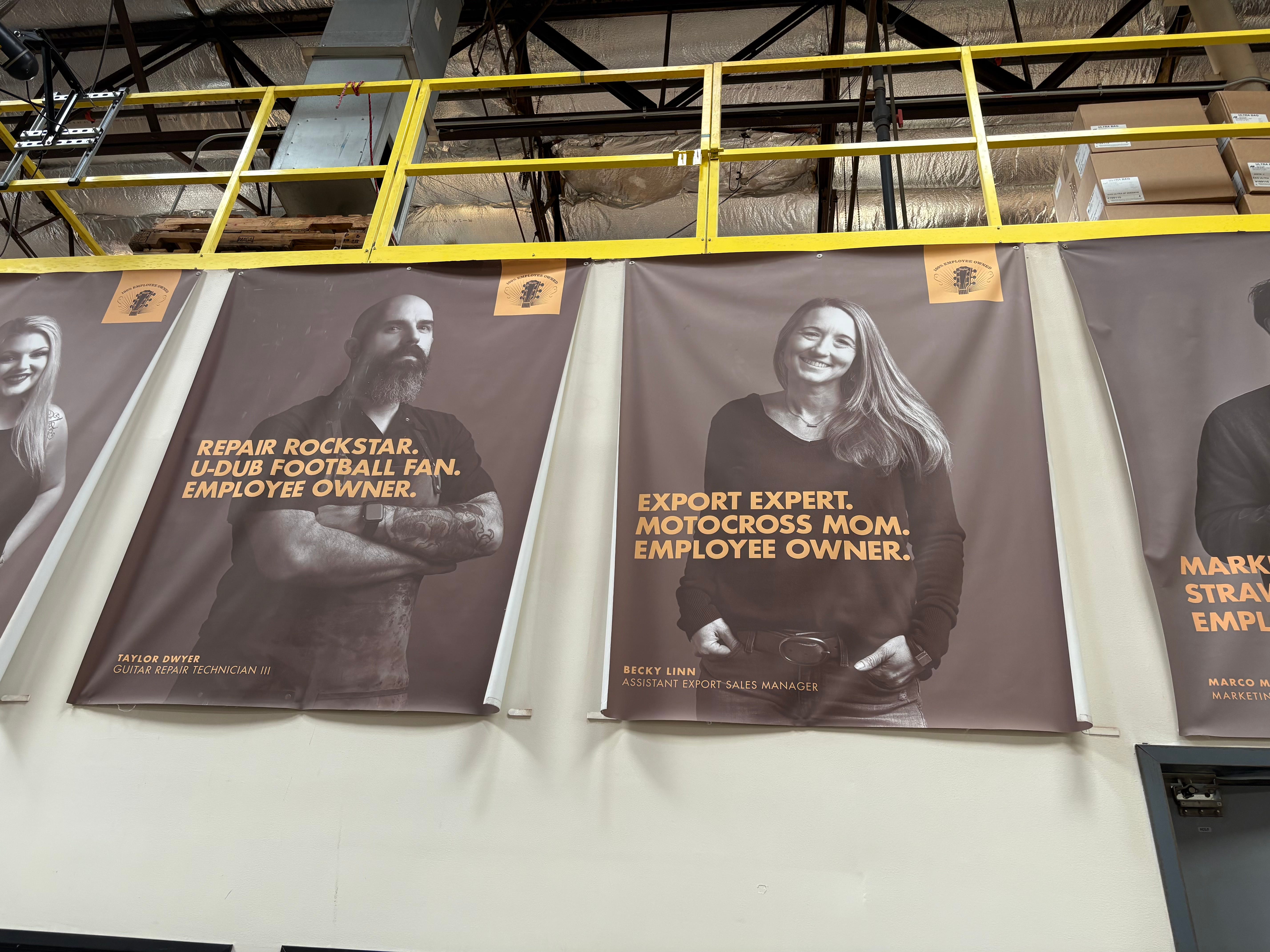
I could suggest that not having the hangups of ‘heritage’ (when compared with long standing competitors) enables Taylor their social licence, but I truly got the feeling that challenging and innovating is in the DNA of the organisation. Recently Taylor became 100% employee owned – again testament to the intent and value set of those that created the organisation and have stewarded it for the past 52 years.
I look forward to seeing Taylor Guitars continue to evolve, challenge, and own the space of sustainability innovation in their industry.
Story links: